Cancer taught me something I didn't expect.
Not about mortality or gratitude or any of the lessons people write about when facing their own death. Those came too, sure. But the lesson that actually blindsided me was simpler and more uncomfortable: I've been lying to myself about relationships for most of my life.
I thought I had this figured out. I'm self-sufficient. Independent. Small circle of close friends, professional relationships kept professional, casual acquaintances kept casual. Clean boundaries. Manageable. Under control.
Then I got cancer, and people showed up in ways I didn't anticipate, didn't feel I deserved, and couldn't quite process. The outpouring hasn't stopped since I announced my diagnosis. Messages from people I haven't talked to in years. Support from people I didn't think cared. Concern from relationships I'd categorized as "casual" or "professional" but apparently meant something different to them.
It's been overwhelming. Humbling. And it's forced me to examine who I thought I was versus who I actually am.
Turns out, I'm not as self-sufficient as I believed. And the armor I've worn for fifty years isn't protection—it's isolation I mistook for strength.
Table of Contents
ToggleBuilding the Armor
I grew up dirt poor on a small farm, wore hand-me-down clothes, was a misfit, was bullied at school, and had no friends within walking distance.
Then my oldest brother was hit by a car and killed. I was the youngest of six children, and my parents—terrified of losing another child—forbade me from walking or riding my bike on the road because of my age. None of my siblings had this restriction—just me.
It felt unfair. I hated that. I've always hated being treated unfairly, and this felt like punishment for something I didn't do. But it also meant I was more isolated than any of them had been. I had one close friend, but seeing him meant my parents had to drive me. Any other friendships were casual—limited to when school was in session, nothing during summers, no deep connections.
School made it worse. Undiagnosed dyslexia made learning a maddening challenge, especially when I was inexplicably placed in advanced algebra despite having struggled with math in earlier grades. I could complete the homework and tests, but never by the methods that were required, so when I would get the correct answer, I would still be marked as incorrect. The frustration and alienation left a mark.
The first record I ever bought—probably nine or ten years old—was Simon and Garfunkel's "I Am a Rock." That song became my identity. I am a rock, I am an island. And a rock feels no pain. And an island never cries.
I took the bullying and academic failures and turned them into personal armor. In high school, reading Tom Joad's final words in The Grapes of Wrath wasn't just literature—it was my family's story.
In 1925, my grandmother contracted tuberculosis. My grandfather sold nearly everything to buy a truck, placed her bed in the back, and drove from Southern Illinois toward an Arizona sanitarium with my father and his three siblings. She died in Oklahoma. He had to sell the truck to pay for a casket and train tickets home. Years later, during the Great Depression, he starved to death, leaving my father and his siblings orphaned.
The Joads' desperate journey west, their losses, their hunger—that wasn't fiction to me. It was my father's childhood. He grew up orphaned, hungry, and knowing loss in ways that shaped everything about him. That experience—that understanding of what it means to struggle, to be left behind, to fight just to survive—shaped how he raised us, how he saw the world. It's why I've always felt for underdogs, for people left behind. It's in my DNA, my family story.
Years later, when I first heard Johnny Rotten's "anger is an energy" in Public Image Ltd's "Rise," it clicked. I built armor from anger, but kept empathy underneath—Johnny Rotten's energy wrapped around Tom Joad's heart.
But empathy for others didn't mean letting people in. I built self-esteem on indifference—I wouldn't let someone else's opinion deter me. I wouldn't need their approval. I wouldn't need them.
When I got old enough to ride my ten-speed on the road, I finally had freedom. Casual friends lived just a few miles away. Instead, I chose fifty-mile solo rides into the countryside. I'm still not sure why. Maybe the armor was already so complete that solitude felt safer than connection. Maybe I'd been alone so long I'd forgotten how to want anything else.
At sixteen, I joined a bike club and made my core group of friends—the closest relationships I've ever had. But even then, I kept most people at arm's length. Friendly but guarded. Present but protected.
I'm not antisocial. I have strong empathy. But I've never been great at making friends or maintaining the ones I made. The armor worked too well.
For fifty years, I've been Simon's rock, an island. Self-sufficient, self-contained, manageable.
Then cancer cracked that identity open.
The Unexpected Response
I expected some support when I announced my diagnosis. Close friends would reach out. Family would call. That seemed reasonable.
What I didn't expect was the breadth and depth of it. Messages from people I hadn't talked to in years. Support from professional relationships I thought were bounded and cordial. Concern from acquaintances I'd kept casual by design.
People showed up. They kept showing up. Weeks into treatment, new messages still arrive.
I don't feel worthy of it. I haven't been a particularly good friend to most of these people. I've kept relationships surface-level, maintained distance, and prioritized self-sufficiency over connection.
Maybe the walls I thought were protecting me were more transparent than I realized. Maybe I mattered to people in ways I never fully recognized because I was too busy being a rock to notice.
The People Who Showed Up
The Core
By sixteen, cycling gave me my core group of friends. These are the relationships that have lasted decades. The ones I never doubted. They've been there throughout treatment, as expected. Not surprising, but deeply appreciated.
These friendships formed because we rode together, raced together, and suffered together on training rides that felt impossible. Shared suffering creates bonds that last. I knew they'd show up because they always have.
But they weren't the only ones.
The Mentor
Perhaps Bill's message hit me hardest.
I worked for Bill at the college. He was my boss, my mentor, someone I admired deeply. Bill always supported me in whatever project I was involved with—even those where I felt unqualified or in over my head. His unwavering confidence in me made me stronger and drove me to succeed.
When I announced my diagnosis, Bill wrote: "Neal, I think about you all the time. You are one of the best persons I have ever known and worked with. You are in my thoughts and prayers every day. I hope you can climb the hill you are on and ride your bike for many years. Thanks for all you have done for me."
I read that message over and over, trying to process it.
Thanks for all you have done for me.
I'd always thought Bill did more for me. I was just doing my job. He saw something I couldn't see in myself. Maybe I gave more than I realized. Maybe my self-assessment of relationships—what I contributed versus what I received—has been wrong all along.
Bill's words taught me that sometimes we matter to people in ways we can't see from inside our own armor.
The Cycling Brother
Halfway through treatment, when I was struggling, Dave sent a simple text: "Endure. You'll get through this."
Two sentences. Perfectly timed. On target.
Dave is a longtime friend and fellow bike racer—a few years older than me, someone I've admired and respected for decades. When I was a Junior racer, Dave was one of the riders, like George, who helped me develop.
Dave's guidance made me a better rider. His advice has always been succinct, direct, and exactly what you need when you need it.
"Endure. You'll get through this."
Not "stay positive" or "you've got this" or any of the well-meaning platitudes that don't help when you're in the middle of hell. Just endure. Acknowledge it's hard. Keep going anyway.
I've thought about that message every day since. When getting out of bed felt impossible. When showing up for treatment required everything I had. When swallowing hurt too much to eat. Endure.
That's what a cycling brother does—gives you exactly what you need when you need it. Dave knew I didn't need motivation. I needed permission to struggle and keep moving forward anyway. The same way he taught me to stay upright when wheels touch in a race—don't panic, trust your skills, keep pedaling.
The Coach
Joe has been a longtime friend and, more recently, my coach. He deserves credit for helping me regain self-discipline and get back in shape before I was diagnosed. That discipline—rebuilt through structured training, consistent work, and showing up even when I didn't want to—helped me show up each day during treatment and do the work required.
Joe also kept me entertained with texts and phone calls throughout treatment. Humor mixed with genuine concern.
The Customers Who Became More
Dan and Chris were customers from my bike shop days. Professional relationships that should have ended when I sold the shops and moved on. But they didn't.
Before my diagnosis, they'd told me how much they missed the old shop and appreciated what I'd helped them achieve in cycling. After my diagnosis, they sent encouragement and prayers. They've been instrumental in my mental and spiritual health throughout treatment.
These weren't just customers. They were people I'd connected with in ways I hadn't fully acknowledged. I helped them find the right bikes, set them up properly, and helped them with whatever they needed. They remembered. They cared. The relationship mattered to them in ways I never realized.
The Sales Rep Who Became a Friend
Dick was a former bike sales rep for Trek and Diamondback. In an industry where many reps tell you what you want to hear to make the sale, Dick was always honest with me. He became my most trusted rep because he told me the truth—about products, about delivery timelines, about what would actually work for my customers versus what would just move inventory.
That honesty built trust over the years. A professional relationship that became something more because it was built on integrity.
Throughout my treatment, Dick texted me several times a week, offering both humor and genuine concern. Another relationship I'd categorized as "professional" turned out to mean more than I realized.
Professional relationships aren't just transactional if you do them right. Sometimes they become friendships without you noticing—built on years of trust, honesty, and showing up for each other.
The Fellow Warriors
Dan and Suzan offered support early in my treatment. Sadly, about halfway through, Suzan was diagnosed with cancer. This hurts. Suzan, like so many other friends of mine diagnosed with cancer, is an otherwise very healthy person. She shouldn't be fighting this. But she is, and now we're fighting together—her at the beginning of her journey, me nearing the end of mine.
My friend Bob is enduring his own challenge with an incurable neurological disorder. His disease is limiting his ability to enjoy cycling and paddling—the activities that define him. Yet he's lending invaluable support to me while fighting his own battle.
There's something about fellow warriors. They understand in ways others can't. They know the fear without needing explanation. They know the exhaustion isn't just being tired. They know the mental weight of showing up day after day when your body is failing.
Bob and Suzan and others fighting their own battles have given me perspective and strength that comes from shared suffering. We're islands in our individual fights, but we're islands in an archipelago—close enough to see each other, to signal across the water, to know we're not alone even when we're fighting alone.
The Daily Anchors
Tim is a volunteer at the Cowell Cancer Center. He assists patients arriving at the center—helping them from their cars, walking them in, and handling wheelchairs. Tim is also a cancer survivor. He's there each morning to lend assistance to others in their time of need.
At first, Tim was just a familiar face. Someone I saw each day. Over time, we interacted more and got to know each other. The stability of seeing a friendly face became important. His encouragement each day—sometimes a simple smile or thumbs up, sometimes brief dialogue—was always welcome.
In my last week of treatment, I became so weak that I relied on Tim's strength to help me into the car. He also shared spiritual encouragement when I needed it most.
Tim's presence taught me that sometimes the most important relationships aren't the deepest or longest—sometimes they're just the most consistent. Showing up matters. Being there, reliably, when someone needs stability—that's its own kind of friendship.
Jennifer works the reception desk in radiology. Seeing her smiling face each morning had the same effect as seeing Tim. Jennifer greets everyone with positive energy that's infectious. Her smile and genuine concern made the bad days easier.
I don't know much about Jennifer's life outside the cancer center. We've never had a deep conversation. But her daily presence—that consistent smile, that genuine "how are you doing today?"—became an anchor point in the worst seven weeks of my life.
These weren't deep relationships. They were daily ones. And during treatment, that mattered more than depth. Consistency became its own form of intimacy.
What I’m Learning
For over fifty years, I've operated under the assumption that self-sufficiency is strength. That needing less from people is a virtue. That being a rock—feeling no pain, never crying—is the goal.
Cancer is teaching me I was wrong.
Self-sufficiency isn't a strength when it's just armor protecting you from connection. Needing less from people isn't a virtue when it means giving less too. Being a rock doesn't make you strong—it makes you isolated.
The relationships I thought I was managing fine on my own were actually carrying me when I couldn't carry myself. Every message of encouragement, every text checking in, every "thinking of you" comment. Every person who showed up when I didn't ask them to and didn't think I needed them to.
They were carrying me. And I didn't even realize how much I needed carrying until they did it.
I'm learning that empathy isn't enough. Caring about people from a distance, cheering for underdogs, feeling deeply for others' struggles—that's not the same as letting people in. It's not the same as being vulnerable. It's not the same as accepting that you need people and they need you.
I'm learning that the armor I built to protect myself from pain also protected me from connection. And connection—messy, vulnerable, uncomfortable connection—is actually what gets you through the worst things.
I'm learning that I've been a worse friend than I thought. Not because I'm mean or uncaring, but because I've kept people at arm's length. I've been friendly without being vulnerable. Present without being open. Available without being accessible.
I'm learning that I want to be better at this.
The Hard Part
I don't know if I'll ever feel worthy of the support I've received. That's probably something I need to work through with a therapist, not a blog post.
But I know I want to be the kind of friend to others that they were to me when I needed it most. I want to show up the way Tim showed up every morning—consistently, reliably, with genuine care. I want to remember that professional relationships can become meaningful if you let them. I want to maintain the friendships that came easily through cycling and build the friendships that require more effort because I'm not naturally good at it.
I want to stop hiding behind self-sufficiency and actually show up in return.
I don't know how to do this yet. The armor has been on for many years. You don't take that off overnight. But cancer cracked it open enough that I can see what was underneath—not just empathy for others, but a need for connection I've been denying.
Maybe that's the real lesson. Not that relationships matter—I already knew that intellectually. But that I need them. That needing people isn't a weakness. That letting them in when they offer support isn't imposing on them—it's accepting what they want to give.
Moving Forward
I want to thank everyone who reached out. Everyone who sent messages, texts, prayers, and encouragement. Everyone who checked in once or kept checking in weekly. Everyone who showed up when I didn't ask and didn't think I needed it.
The relationships we share are meaningful to me. It's really hit home how much each person means to me. I feel bad that I haven't been a better friend. I haven't reciprocated the care I've received. I've kept walls up that probably seemed like boundaries but were really just protection.
I'm going to try to be better at this.
I don't know what that looks like yet. Maybe it means reaching out more. Maybe it means saying yes when people invite me to places instead of defaulting to solo rides. Maybe it means being vulnerable enough to ask for help before I'm desperate. Maybe it means letting people know they matter before cancer forces the conversation.
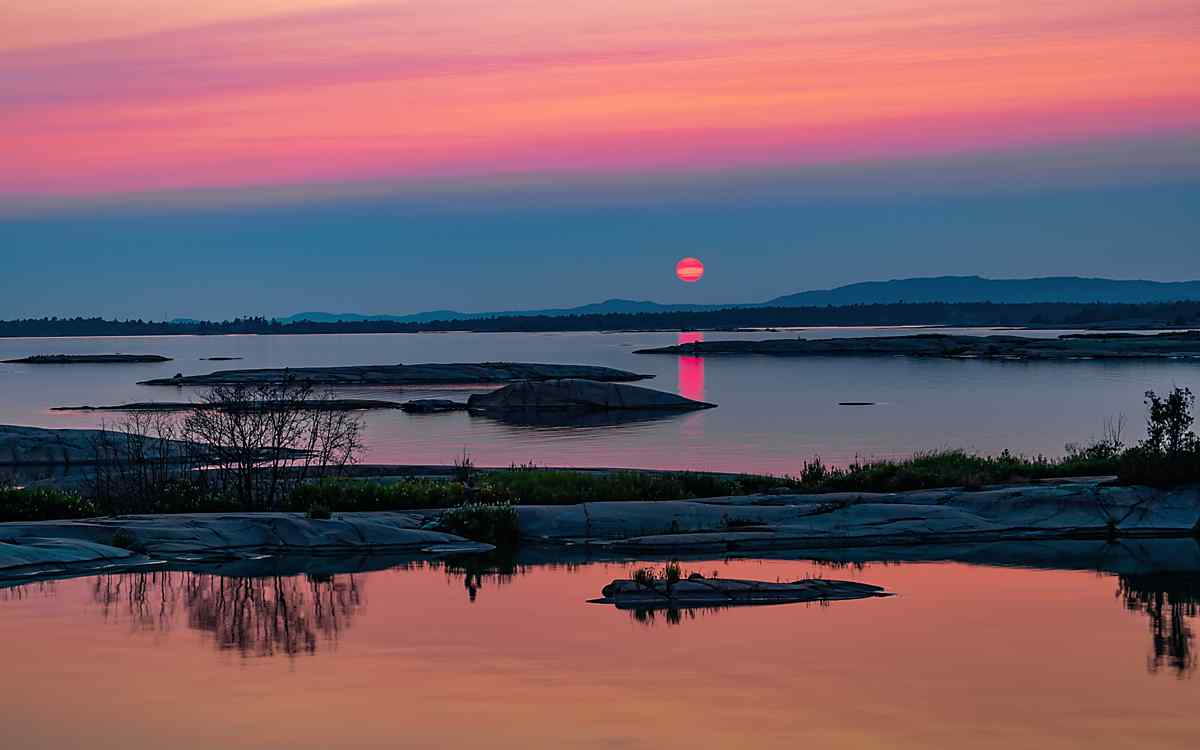
I've spent years being a rock. It turns out I was never really a rock—just a guy who forgot that islands need bridges.
Cancer taught me that. Not through some profound spiritual awakening, but through the simple, overwhelming, uncomfortable experience of people showing up and me realizing I needed them more than I wanted to admit.
I'm grateful. I'm humbled. And I'm working on being less of an island.
That's the lesson I didn't expect. The one that might matter more than survival rates or treatment protocols or any of the medical stuff everyone focuses on.
Relationships aren't something you manage or maintain at a comfortable distance. They're what carry you when you can't carry yourself.
I'm learning that now. Better late than never.
To everyone who showed up—thank you. I'm working on being worthy of it.
If you found this helpful, consider subscribing.
I send email updates when I publish new articles—gear reviews, ride reports, training insights, and updates on my cancer treatment journey. I'm not going to flood your inbox. I barely have time to write the articles, let alone spam you with daily emails.
What you get: honest reviews from someone who actually uses the gear, perspective from a master's athlete who's made plenty of mistakes you can learn from, and the occasional story about why cycling at 65 is both more challenging and more rewarding than it was at 25.
Neal – I’m working on reading the whole text.
Wow. Who knew you could write too!
Thank you for sharing this profound insight, Neal.
Just saw Sherry and Jim skiing at Secor: two decades-long friends; reminders of that circle of friends of which you write so eloquently.
Neal, thank you for sharing your incredible story and journey. It should be published. I’m sure it would be helpful to many; not just people with cancer but to so many others on their own journey, whatever it may be. Your courage, strength and honesty are a testament of your endurance. Please say hello to Rita as I’m sending her a “virtual” hug!
Thank you Neal for baring your soul to us. You gave your voice to feelings that we likely all carry to some extent, but couldn’t fully describe or explain. You’ve learned lessons the hard way as so often happens. This post is a “keeper” for me. One I will revisit to learn again what you’ve learned and so graciously passed along to us.
Please give Rita my best. I look forward to seeing her at church.
Thank you so much Neal for sharing this journey with us. There is hardly a family that has not had an encounter with cancer. In our family it was my mother who bravely and cheerfully dealt with it. You described one of the hardest things many of us encounter when we have a health problem – we tough it out by ourselves and don’t ask for or expect other people to care….it’s our way of not accepting that we have it. We forget that God is using others to help us and we need to let Him!
Rita has been a faithful companion in your journey and may God continue to bless both of you.
Thank you so much Neal for sharing this journey with us. There is hardly a family that has not had an encounter with cancer. In our family it was my mother who bravely and cheerfully dealt with it. You described one of the hardest things many of us encounter when we have a health problem – we tough it out by ourselves…it’s our way of not accepting that we have it. We forget that God is using others to help us and we need to let Him!
Rita has been a faithful companion in your journey and may God continue to bless both of you.