Last updated on June 7th, 2026
As I was leaving my ENT's appointment, my doctor said, "Welcome back to the other side." I paused briefly while my brain processed his words. I then smiled and thanked him. I love a bit of dark humor.
Getting back to the "other side" has been a long journey.
Table of Contents
ToggleReturning to Normal
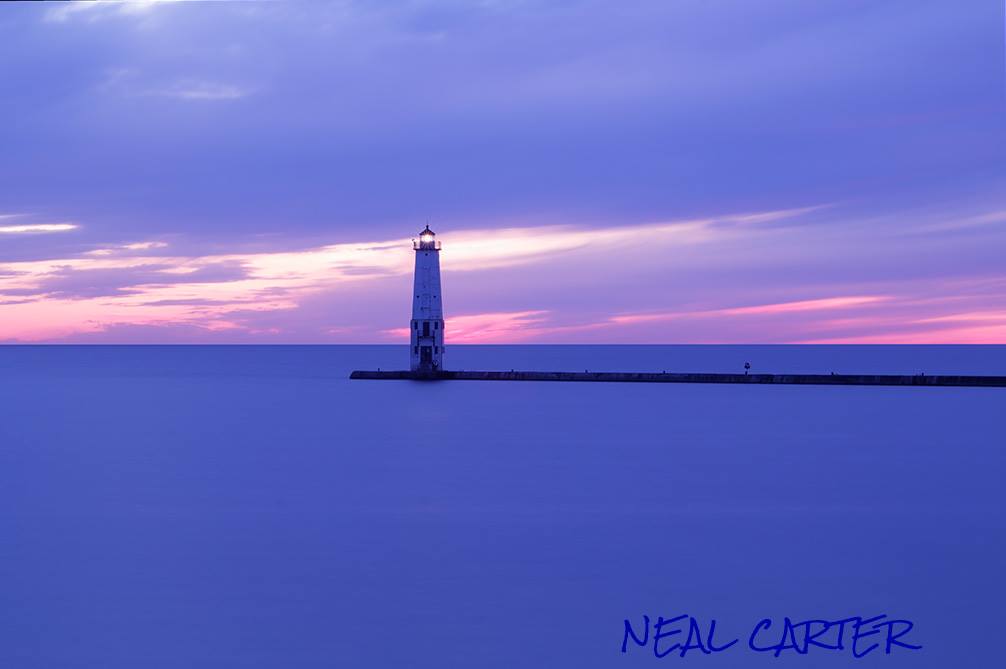
Recovery began as Autumn gave way to Winter — and the longer I sat with that, the more it felt less like a coincidence and less like bad timing.
Across cultures and centuries, winter has carried the same quiet promise. The Norse celebrated Yule at the solstice, marking the sun's death and rebirth — the longest night as a threshold, not an ending. Celtic traditions personified the season as a period of dormancy that made spring possible, not a defeat but a necessary withdrawal. In many Native American traditions, winter was the time for turning inward — for story, reflection, and inner work — because the land itself modeled that wisdom. Even in Christian theology, Advent is a season of waiting in darkness before light arrives. The spiritual thread across all of them is the same: what looks like an ending is preparation.
I healed in the dark. Bare trees, grey skies, the world stripped to its essentials. No pretense of renewal — just the quiet, unglamorous work of getting through.
Simple things like being able to use any bathroom in the house once again feel liberating. No longer sequestered because of potential chemo drug contamination. Being able to eat a banana without it stinging my throat.
This year, spring has arrived reluctantly — colder and slower than usual, the season taking its time in a way that feels almost personally familiar. I've been watching it with more attention than I normally would, looking for signs. A longer winter is still a winter that ends.
The sunshine, when it finally comes, has been genuinely moving. My immune system has rebounded. I've cautiously ventured back out in public without a mask. As my anemia slowly improves, I feel more energy returning — more alive.
The Waiting Game
The second PET scan itself didn't worry me. I've been poked, prodded, and scanned enough by now that the process is almost routine. It's the results that kept me up at night. What if it's not entirely gone? That question has a way of quietly colonizing your thinking if you let it.
The scans and quarterly check-ins will be my new normal for the next few years. I've made a kind of peace with that. What's harder to accept is the planning paralysis — the inability to commit to things I wouldn't have thought twice about before. A trip. A race. A goal with a date attached. Life plans sit in a waiting room alongside me.
The Unexpected Losses
The doctors had warned me about the food. I'd been told clearly that taste would change, that things I loved might not taste the way I remembered. I understood it intellectually. What I wasn't fully prepared for was how emotional that gap would feel when I was actually living inside it.
I had built up a mental list of meals I was going to enjoy the moment I could eat again without consequences. The reality hasn't matched the memory. Tastes have shifted. Favorites have disappointed.
My coping strategy has been deliberate: I'm intentionally avoiding the foods I love most until I'm clearly past the healing window. Lower expectations mean fewer disappointments. When my palate finally returns to something close to normal, I want those first bites to mean something.
Staying in Motion
Unable to train the way I want, I've channeled the energy elsewhere.
I've buried myself in client website work — the kind of deep technical focus that requires enough concentration to crowd out anxiety. There's something grounding about solving a concrete problem when so much feels uncertain.
I've also been cleaning and organizing with an unusual purpose. Part of it is practical — getting gear and equipment ready so there are no impediments when the weather finally breaks, and I can ride again. Part of it is just needing to feel useful. To feel like I'm moving forward, even when I'm not moving fast.
The Long Road Back
The anemia has been humbling.
I had a timeline in my head for returning to training. My body had a different opinion. Heart palpitations have interrupted workouts and served as blunt reminders that this process doesn't negotiate. The pace of progress is slower than I expected and, frankly, slower than I'd like.
But I know how to read a training log. I know that adaptation takes time, that fitness built patiently lasts longer than fitness forced. I'm applying the same discipline to recovery that I've applied to forty years of racing — trusting the process, even when the process is frustrating.
Welcome Back
And then, finally, I rode my bike.
Not far. Not fast. But outside, with the wind on my skin and the sun cutting through the kind of pale spring light that feels earned after a long winter. I've done two club rides now — more social than athletic, more symbolic than training — and both times I came home with something I hadn't felt in months. Joy. Simple, uncomplicated joy.
The news has matched the feeling. A recent MRI came back confirming what the PET scan suggested: I appear to be cancer-free. I'm still carrying the residue of treatment — side effects that remind me daily that healing isn't a switch that flips — but the direction is unmistakably forward.
Life is slowly returning to normal. The seasons are turning, later than usual, but turning nonetheless. And somewhere between the winter darkness and the reluctant spring, between the bare trees and the first warm ride, I found my way back.
My doctor was right. Welcome back to the other side.
If you found this helpful, consider subscribing.
I send email updates when I publish new articles—gear reviews, ride reports, training insights, and updates on my cancer treatment journey. I'm not going to flood your inbox. I barely have time to write the articles, let alone spam you with daily emails.
What you get: honest reviews from someone who actually uses the gear, perspective from a master's athlete who's made plenty of mistakes you can learn from, and the occasional story about why cycling at 65 is both more challenging and more rewarding than it was at 25.
Welcome back Neal! Life is brighter and better on this side!